Variant A · Control
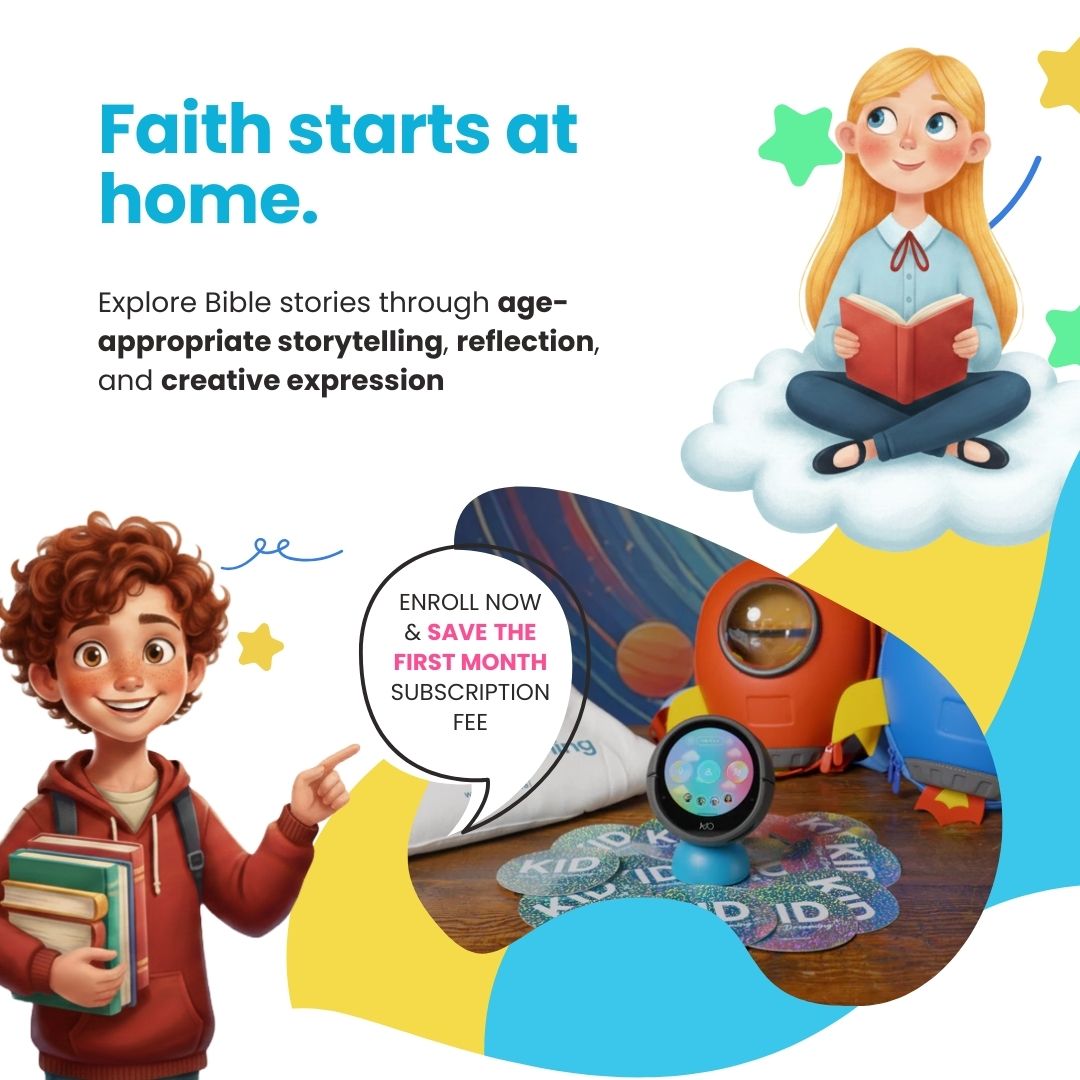
Faith, front and center
Spread the Christian message directly and earnestly.
A screen-free AI device for kids — not a phone, not an app.
I designed and ran two advertising funnels for this $299 device — turning parents' screen-time worry into creativity for some and structure for others, powered by Klaviyo email and weekly Meta ad creative.
Overview
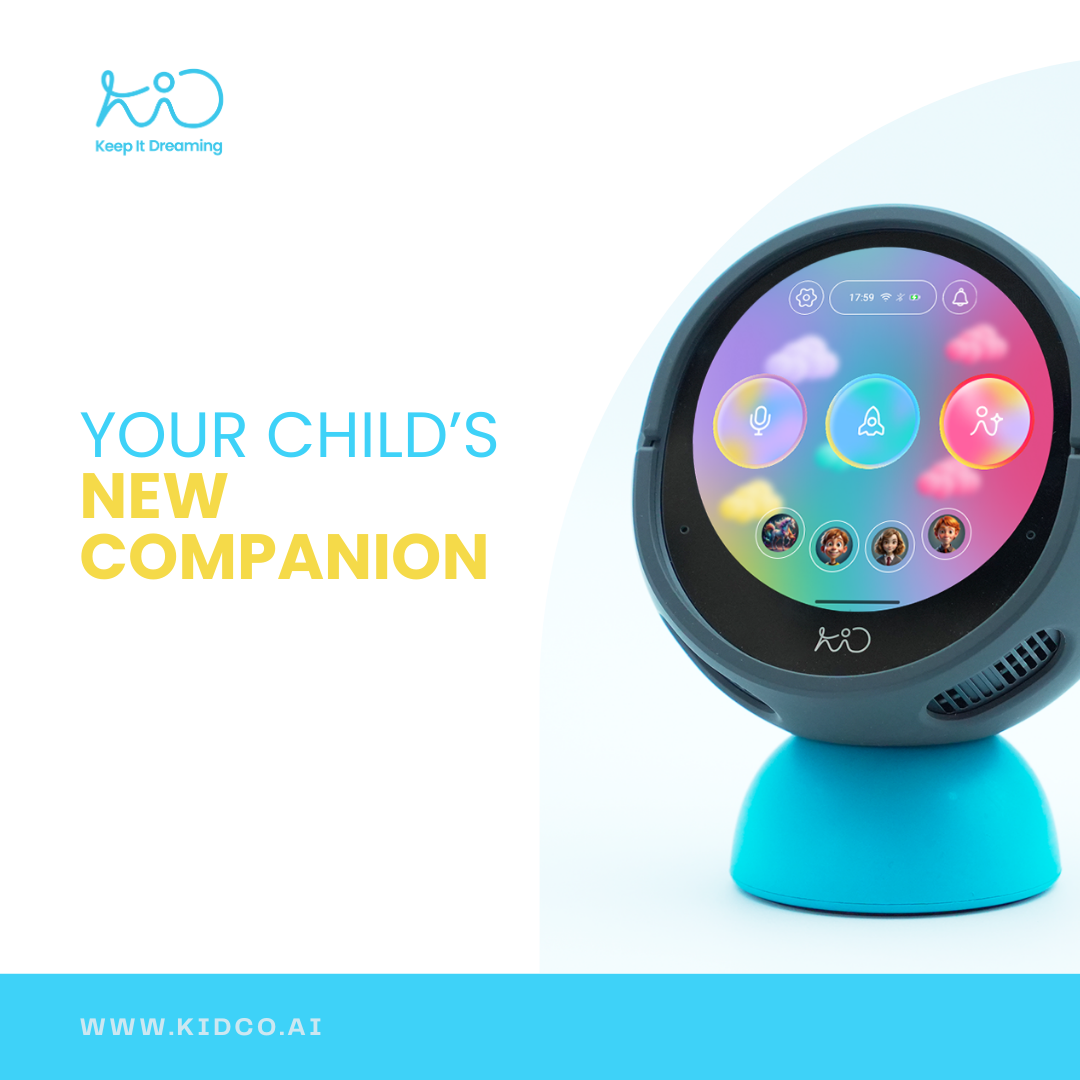
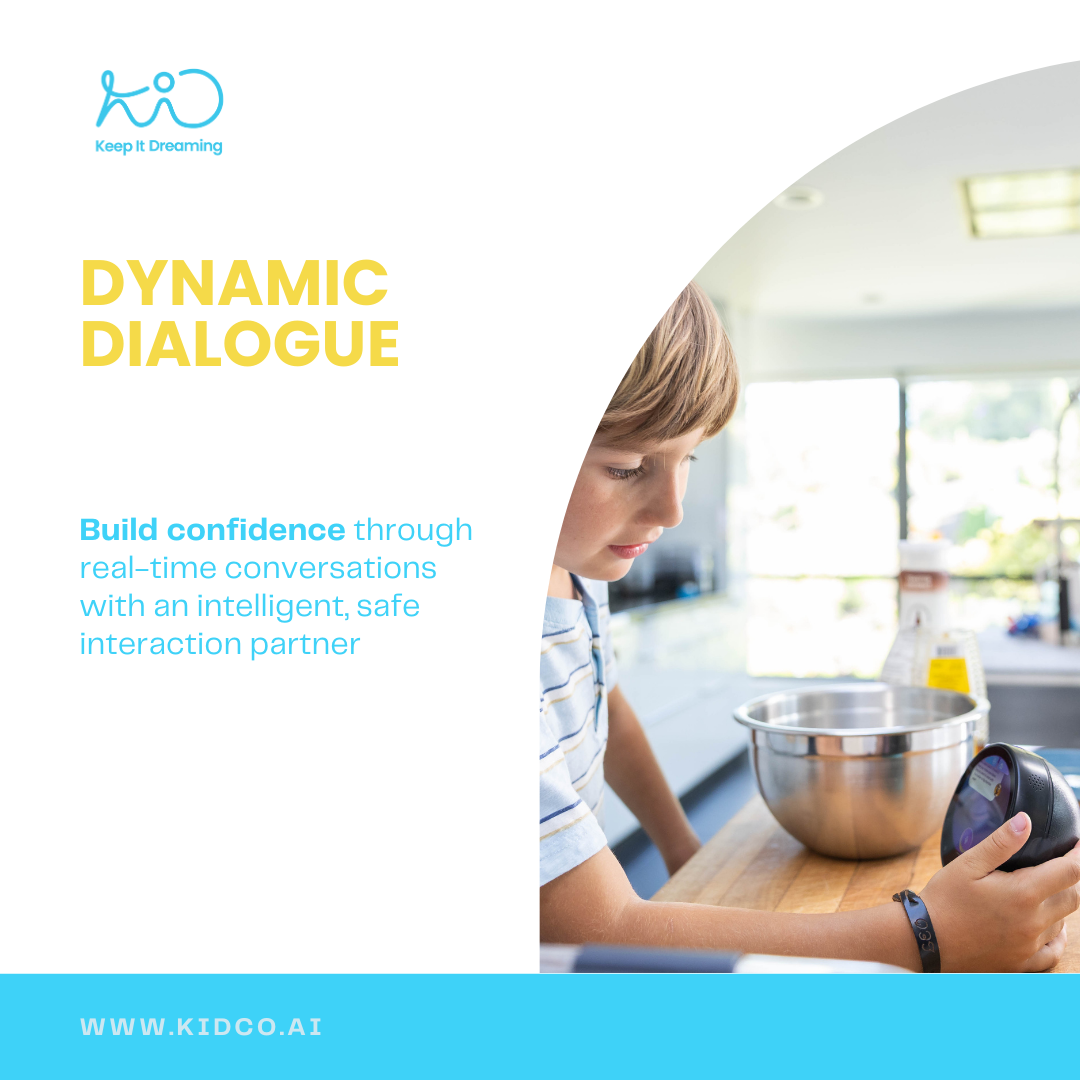
KID (Keep It Dreaming) is a $299.99 AI-powered creativity and education device designed for children ages 4–12. Unlike tablets or phones, KID has no web access, no YouTube, no social media, and no content algorithms. Every interaction happens within content-safe filters.
With just their voice, kids can create images, stories, music, and interactive characters — all powered by child-focused AI. Parents maintain full control through the KidCo Parent App with screen time limits, vocabulary exclusion lists, and activity monitoring.
Founded by Robert LoCascio (former CEO of LivePerson), KID Company is a childhood-first technology company based in Los Altos, California.
I designed and executed two complete advertising funnels — KidCo Wellness and KidCo Discipline — each with multi-step email sequences targeting different parent pain points.
Tasks
Parents buying a $299 AI device for their kids aren't making an impulse purchase. They need to be educated, reassured, and convinced over multiple touchpoints. My job was to create two distinct funnel narratives:
Instead of waiting on production, I built the ad creatives and landing pages myself with AI tools like Lovable — so I could spin up and A/B test multiple variants in 2–3 days and let real data, not opinion, decide each round.
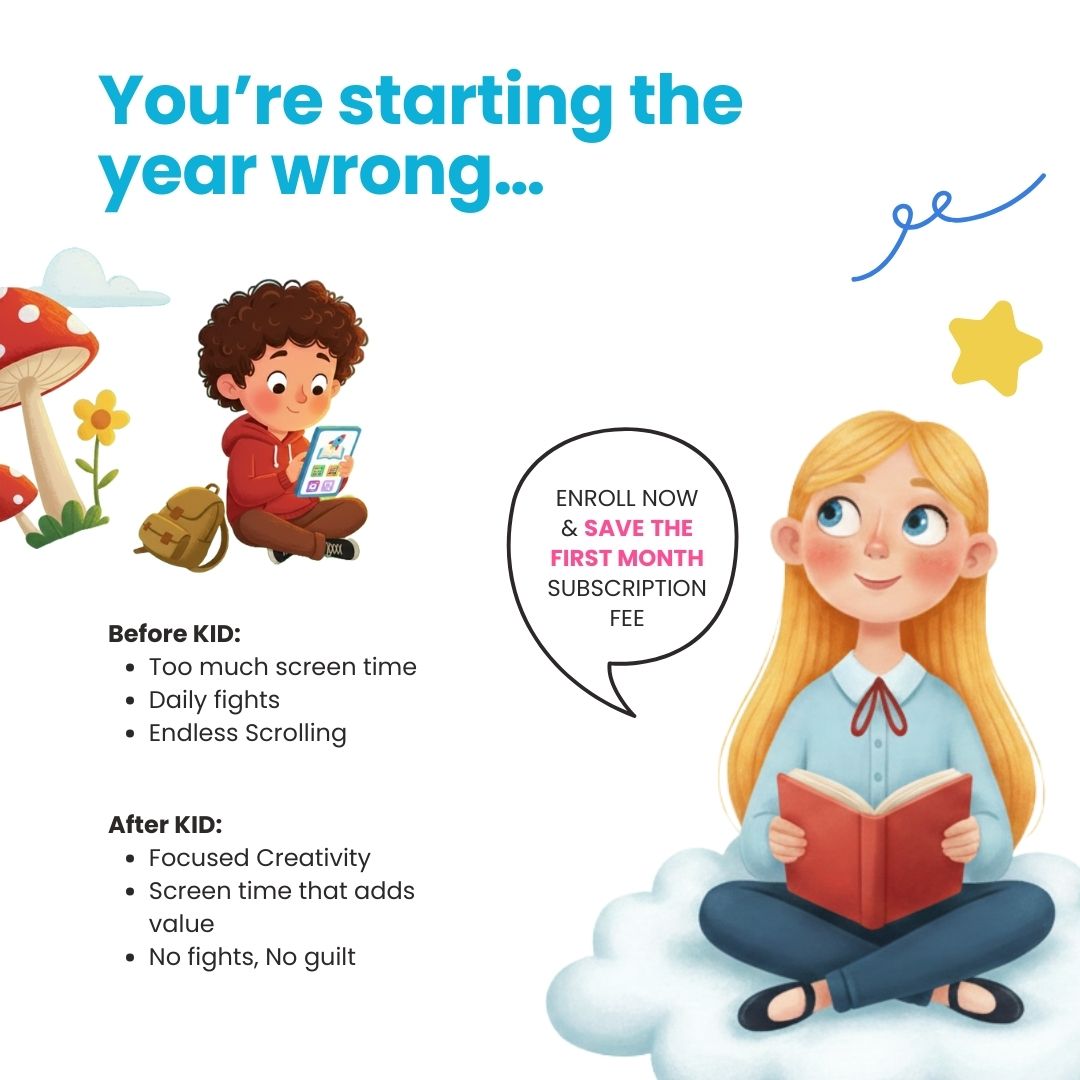
For parents worried about screen time — positioned around creativity, freedom, and no social media.
For parents who want structure — positioned around boundaries, educational value, and safe AI.
Creative Ads
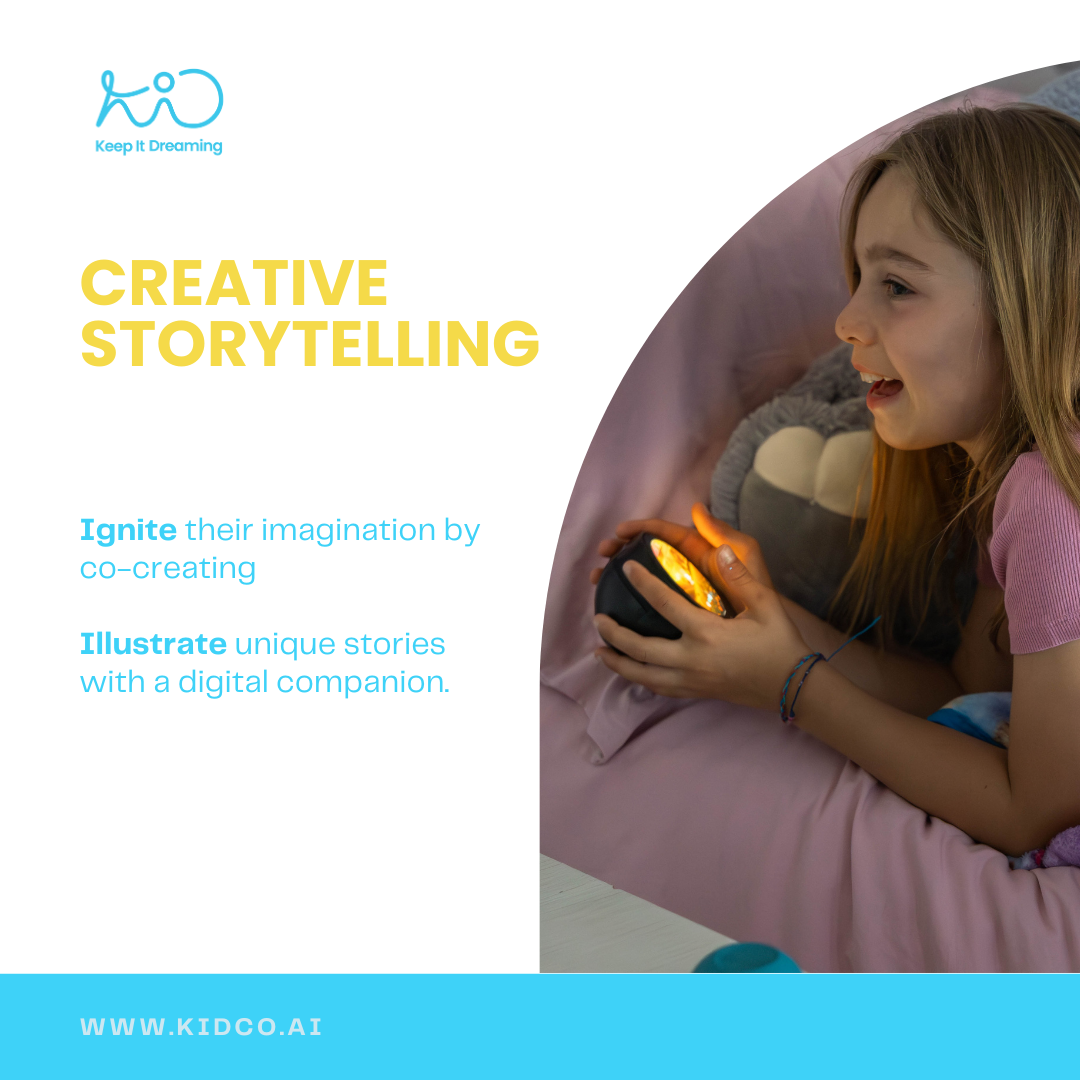
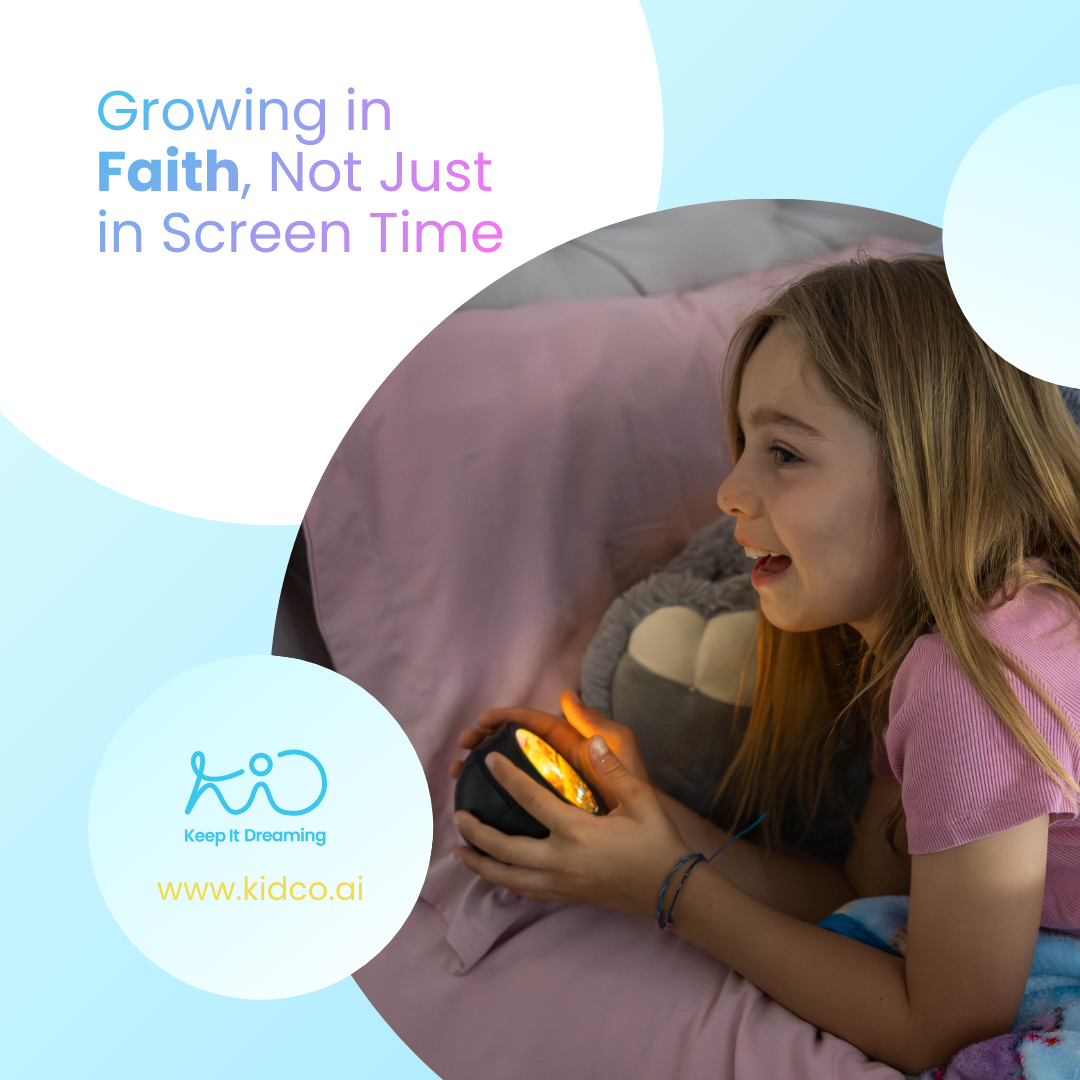
Each funnel required its own visual language. The Wellness funnel used warm, calming imagery — creativity, play, and imagination. The Discipline funnel used structured, clean visuals — control, safety, and learning outcomes. I shipped both static and video creatives for Facebook and Instagram.
"Same product, different story. The Wellness parent wants to free their kid's creativity. The Discipline parent wants to contain their kid's chaos. KID does both."
A/B Testing
Every major campaign ran as a multi-variant test — subject lines, CTAs, creative, landing pages, send times — always letting the data decide. What follows is just one representative sample of many — the test that taught me the most.
One track of the Discipline funnel was faith — reaching parents raising their kids on Christian values. KID partnered with the creator of The Garden, a children's author in that space; my job was to design the funnel and find the framing that converted. I tested two angles on the same audience: one spread the message directly and earnestly, the other loosened it inside the playful, kid-friendly world of The Garden to feel more approachable to parents.
Spread the Christian message directly and earnestly.
Same values, loosened inside the playful world of The Garden.
The Garden angle lifted click-through rate (CTR) — the lighter, story-led framing was easier for parents to click than an earnest religious pitch. The takeaway: meeting parents with story rather than sermon widened the top of the funnel.
Results
As growth designer and product marketer, I owned the creative for both funnels — the ads and the landing pages. A paid-media teammate ran the Facebook & Instagram campaigns and walked me through each test's numbers daily, so I could iterate the creative fast. Across two months we ran small-budget tests, often several a day — so this case shows the creative decisions and what each test told us, not full-funnel dashboards or retention.
Reflection
This project taught me that the same product can tell completely different stories depending on the audience's pain point. A parent worried about wellness needs to hear about creativity and freedom. A parent worried about discipline needs to hear about control and structure. KID delivers both — the funnel just needs to meet the parent where they are.
Working on these two funnels also reinforced that good marketing is empathy at scale. Every email, every subject line, every CTA is a conversation with a real person who has a real concern about their kid. The more specific you get, the more it resonates.